

Getting your shikikin (敷金) back after leaving a Japanese apartment is rarely as simple as handing over the keys and waiting for a bank transfer. Most foreigners are surprised — and frustrated — when they receive far less than expected, or nothing at all. The rules are specific. The contracts are dense. The deductions that landlords are legally allowed to make are often broader than anything you’d encounter in the US, UK, or Australia. This is the Japan apartment security deposit refund foreigners deal with, explained straight: what landlords can and cannot withhold, how to protect yourself before and during the move-out process, and what to do if you believe you’ve been charged unfairly.
Many foreigners arrive expecting to get 100% of their security deposit back if they leave the apartment clean and undamaged. That’s not how it works in Japan. Even a well-maintained apartment will typically result in deductions for professional cleaning and other costs outlined in your contract. Partial refund is standard. Not a full return.
What Is Shikikin? Understanding Japan’s Security Deposit System for Expats
Shikikin (敷金) is a security deposit paid to your landlord at the time of signing a lease. It is held as collateral for the duration of your tenancy and returned — minus any legally justified deductions — after you vacate. The Ministry of Land, Infrastructure, Transport and Tourism (国土交通省 / MLIT) defines it as a deposit that covers cleaning costs and any damage to the property beyond normal wear and tear. What that looks like in practice depends heavily on your contract.
How Much Is a Typical Security Deposit in Japan?
The standard amount is 1 to 2 months’ rent. For a Tokyo studio or 1-bedroom apartment priced at ¥96,000 per month, that puts your shikikin between ¥96,000 and ¥192,000 upfront. This is just one part of a much larger move-in cost. According to RE/MAX Tokyo, total initial costs for a ¥120,000/month apartment often reach ¥682,000 or more — roughly 5.7 times the monthly rent. Add key money, brokerage fees, advance rent, guarantor company fees, insurance, and lock exchange fees, and costs balloon fast.
How Does Shikikin Differ From Key Money (Reikin) and Other Move-In Fees?
This is the single most common source of confusion — and the one that costs foreigners the most money. Shikikin is partially refundable. Reikin (礼金), often translated as “key money,” is completely non-refundable. It’s a gift to the landlord. Reikin is a one-time payment, typically 1 to 2 months’ rent, that functions as a gift to the landlord. There is no legal basis to recover it. Many foreigners assume they’ll get their reikin back and are blindsided when they don’t. Always verify in writing which payments are refundable before you sign.
Other standard move-in costs include the brokerage fee (仲介手数料 / chūkai tesūryō), usually 1 month’s rent plus 10% consumption tax, and a guarantor company fee (保証会社料) of around ¥60,000 for the first year. None of these come back to you at move-out.
Why Do Japanese Landlords Require Security Deposits?
Japan’s rental market is heavily weighted toward landlords. Shikikin covers the cost of returning the apartment to a rentable condition, which includes professional cleaning, minor repairs, and any damage attributed to the tenant. The legal standard — outlined in MLIT guidelines — is that landlords bear responsibility for normal wear and tear, while tenants cover damage resulting from their own negligence or misuse. The problem: many contracts in Japan shift costs that would legally fall on the landlord onto the tenant instead, particularly professional cleaning fees.
Who Must Pay a Security Deposit When Renting in Japan?

Are Foreigners Required to Pay Shikikin Like Japanese Tenants?
Yes. No legal distinction exists between Japanese nationals and foreign residents when it comes to security deposits. The same contract terms apply to both. Foreigners with a valid Residence Card (在留カード / Zairyu Card) and proof of income are subject to the same shikikin requirements as any other tenant. The main difference foreigners encounter is not in the deposit amount itself, but in the contract language — most leases are in Japanese, and many foreigners sign without fully understanding what they’ve agreed to pay for at move-out.
Can You Negotiate or Avoid Paying a Security Deposit?
Negotiation is possible in a soft rental market, but don’t count on it. Some landlords will accept 1 month instead of 2, particularly if you’re a reliable-looking tenant with stable employment. No-deposit (敷金なし / shikikin nashi) apartments do exist. They’re uncommon. They often come with a higher monthly rent or a mandatory restoration fee written into the contract. Effectively, you’re still paying — just differently. Check the contract terms carefully before assuming a “no deposit” apartment is actually cheaper overall.
What If Your Lease Is Short-Term or Furnished?
Short-term furnished apartments — often marketed to expats through platforms like Sakura House or weekly mansion operators — typically use different contract structures. Shikikin may be replaced by a flat “cleaning deposit” or a smaller security fee, sometimes as low as ¥30,000 to ¥50,000. The refund rules still apply in principle, but the contracts vary widely. Read the move-out terms before signing, specifically what cleaning fees are mandatory regardless of condition.
The Hidden Trap: Mandatory Cleaning Fees and “Original Condition” Clauses

Why Japanese Landlords Deduct for Cleaning Even When Your Apartment Looks Clean
Many standard Japanese lease contracts include a clause requiring a professional cleaning at the tenant’s expense upon move-out. This is written directly into the contract — and in Japan, signed contracts carry significant weight. Even if you scrub the apartment spotless before leaving, the landlord is entitled to deduct the cost of a professional cleaning company because you agreed to it in writing. This is legal and enforceable. Cleaning fees for a typical 1K or 1LDK apartment generally run between ¥30,000 and ¥80,000 depending on size, and they come straight out of your deposit.
The “Original Condition” Requirement That Costs Foreigners Thousands of Yen
Japan’s rental law uses the term “原状回復” (genjō kaifuku / restoration to original condition). What this means in practice is that when you leave, certain things must be returned to the state they were in when you moved in. This includes walls damaged by tenants, flooring they’ve scratched, and fixtures they’ve broken. But here’s where foreigners lose money: some contracts expand the definition of “original condition” to include things that are legally the landlord’s responsibility under MLIT guidelines — like yellowing of walls over time or minor scuffs from furniture. If you’ve signed a contract with broad genjō kaifuku language, the landlord has a contractual hook to deduct for it.
One example cited by Anyplace in their Tokyo rental breakdown: a deposit of ¥300,000 being reduced to ¥100,000 after deductions — with ¥200,000 retained for cleaning, wall restoration, and tatami replacement — on an apartment that the tenant considered to be in good condition. This is not unusual.
How Wear-and-Tear Rules Differ From Western Countries (And Why You’ll Lose Money)
In the UK and US, landlords are generally prohibited from deducting for fair wear and tear. Japan’s MLIT guidelines say the same — in theory. Normal deterioration from ordinary use (経年劣化 / keinen reka) is supposed to be the landlord’s responsibility. Fading from sunlight, aging of walls and ceilings, and minor scuffs from everyday living are not supposed to come out of your deposit. The protection is solid on paper.
The gap is in the contracts. Many leases in Japan include clauses that make the tenant responsible for these costs anyway, framed as special conditions. Courts have upheld some of these clauses when they’re clearly stated and the tenant signed knowingly. This means you can end up paying for things you’d never be charged for in other countries — legally, because you agreed to it.
I lived in that apartment for just over three years. When I moved out, the full deposit came back. No cleaning fee deduction. Nothing withheld.
Step-by-Step: How to Recover Your Japan Apartment Security Deposit Refund as a Foreigner

Before You Move Out: Documentation and Photos That Protect Your Deposit
Start documenting the apartment at least 2 weeks before your move-out date. Take timestamped photos and video of every wall, the floor, the bathroom, the kitchen, inside closets, and the condition of fixtures. Pay particular attention to anything that was already damaged or worn when you moved in — these pre-existing conditions should have been noted on your move-in inspection sheet (入居確認書 / nyūkyo kakunin-sho). If you have that sheet, compare it to the current state of the apartment and photograph any discrepancy. Documentation is your best defense.
Gather all your original move-in documents: the lease contract, the move-in inspection sheet, your receipts, and any written communications with the landlord or management company. If you don’t have a copy of the move-in inspection sheet, ask the management company for one now. This sheet matters more than anything else.
The Move-Out Inspection Process and What to Expect
After you hand over the keys, a representative from the management company (管理会社 / kanri gaisha) will conduct a move-out inspection. Attend this in person. You have the right to be present, and it matters — decisions about what counts as damage are made at this inspection. Bring your photos. If the inspector flags something as tenant damage, ask them to show you where that’s specified in the contract, and note your objection on the written report before you sign it. Don’t back down.
You will be asked to sign a written agreement (退去立会い確認書 / taikyo tachi-ai kakunin-sho) that outlines the assessed condition of the apartment and agreed-upon deductions. Do not sign this under pressure if you disagree with the findings. Ask for an itemized estimate instead and say you’ll review it before signing. Management companies are generally required to provide this. Take your time here.
How Long Until Your Refund Arrives? Timeline and Bank Transfer Details
The standard refund timeline is within one month of vacating. In practice, most landlords and management companies process the refund within 2 to 4 weeks after the move-out inspection is completed and the written agreement is signed. The money is sent by bank transfer (銀行振込 / ginkō furikomi) to the account you specify. Keep your Japanese bank account open until the transfer arrives — closing it early will delay or complicate the refund. This is important.
If you’ve already left Japan, make arrangements in advance. Transferring the refund to an overseas account is possible but requires your landlord’s cooperation. Some management companies will do it; others will not. Sort this out before your departure date, not after.
Deductions, Disputes, and Your Rights: Breaking Down What Landlords Can Withhold
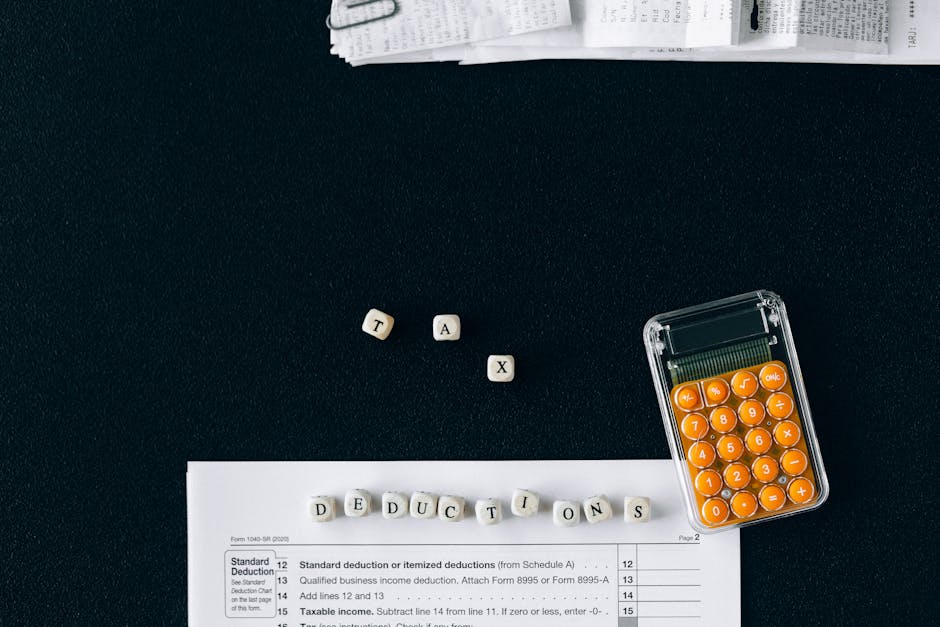
Common Deduction Categories and Average Costs
| Deduction Type | Legally Tenant’s Responsibility? | Typical Cost Range | Notes |
|---|---|---|---|
| Professional cleaning (ハウスクリーニング) | Only if in contract | ¥30,000–¥80,000 | Usually enforced regardless of apartment condition |
| Cigarette burns / staining | Yes | ¥10,000–¥50,000+ | Non-smoking apartments: full room repaint may be charged |
| Damaged flooring (scratches, gouges) | Yes (tenant-caused only) | ¥5,000–¥30,000 per section | Normal scuffs from furniture placement: landlord’s cost |
| Wall damage (holes from nails, deep marks) | Yes | ¥3,000–¥15,000 per hole | Picture hook holes from normal use: landlord’s cost under MLIT guidelines |
| Tatami replacement (畳) | Partial — depends on damage vs. age | ¥5,000–¥15,000 per mat | Stains are tenant’s cost; yellowing with age is landlord’s |
| Mold (caused by poor ventilation) | Often yes | ¥10,000–¥50,000 | Contested if building has structural moisture issues |
| Wall repainting (full room) | Only for tenant-caused damage | ¥30,000–¥80,000 per room | Normal discoloration over time: landlord’s cost |
| Unpaid rent or utilities | Yes | Actual amount owed | Always deducted first before calculating remainder |
Negotiating Deductions and When to Challenge Your Landlord
Request an itemized deduction statement (明細書 / meisaisho) before you agree to anything. A legitimate management company will provide this without argument. Review each line item against your contract and your move-in inspection sheet. If a charge appears for damage that was pre-existing, or for something that falls under normal wear and tear under MLIT guidelines, put your objection in writing. Email is better than verbal — you need a paper trail.
You can negotiate. Management companies handle dozens of move-outs per month, and if you dispute a charge with documentation and a clear legal basis, many will reduce or drop it rather than deal with a formal complaint. Be specific, not aggressive. Use facts. “Item 3 (wall repainting, ¥45,000): This discoloration from sunlight is listed as landlord’s responsibility under MLIT guidelines and was noted in my move-in report” is far more effective than a general complaint.
Legal Protections for Foreigners Disputing Unfair Charges
Foreign tenants have the same legal rights as Japanese nationals under the Act on Land and Building Leases (借地借家法 / Shaku-chi Shakka-hō) and the Consumer Contract Act (消費者契約法). Being a foreigner does not reduce your rights — though navigating the system in Japanese is a real practical barrier. Your legal standing is equal.
Several free dispute resolution options exist. The Japan Real Estate Arbitration Center (不動産裁判外紛争解決機構 / ADR) handles residential deposit disputes and can mediate between tenant and landlord without going to court. Your local ward office (区役所 / kuyakusho) consumer affairs desk (消費生活相談窓口) can also advise and, in some cases, contact the management company directly. Small claims court (少額訴訟 / shōgaku soshō) handles disputes up to ¥600,000 and is designed to be accessible without a lawyer — though proceedings are in Japanese.
If you need help in English, JNTO and some local municipal governments maintain multilingual consultation services. Osaka, Tokyo, Nagoya, and Fukuoka all have foreigner-specific support centers that can assist with housing disputes.
Common Questions
How much of my security deposit will I get back in Japan?
It depends on your contract and the condition of the apartment, but a partial refund is the realistic expectation. If your contract includes a mandatory professional cleaning fee (typically ¥30,000–¥80,000), that comes off the top before anything else is considered. On a 1-month deposit of ¥100,000, getting back ¥20,000–¥60,000 after deductions is common. Getting the full amount back is unusual.
What deductions can landlords make from my shikikin in Japan?
Landlords can deduct for professional cleaning (if stated in the contract), damage beyond normal wear and tear, unpaid rent or utilities, and the cost of repairing items the tenant broke or damaged through negligence. They cannot legally deduct for normal aging of the property, fading from sunlight, or minor scuffs from ordinary furniture use — though some contracts try to include these.
Do I have to pay for cleaning when moving out of a Japanese apartment?
If your contract includes a mandatory professional cleaning clause, yes. This is extremely common in Japanese leases and is generally enforceable. Even if you clean the apartment yourself before leaving, the landlord can still charge for a contracted cleaning company. Check your lease for the term “ハウスクリーニング費用” (hausu kurīningu hiyō) — if it’s there, expect to pay.
How long does it take to receive a security deposit refund in Japan?
Most refunds are processed within 2 to 4 weeks after the move-out inspection and the signing of the condition agreement. The legal expectation under standard practice is within one month of vacating. If your landlord hasn’t contacted you after 4 weeks, follow up in writing. Keep your Japanese bank account open until the transfer arrives.
Can landlords withhold security deposit for normal wear and tear in Japan?
Under MLIT guidelines, no. Normal wear and tear — including gradual discoloration of walls, minor flooring scuffs from furniture, and aging of fixtures — is legally the landlord’s cost. The problem is that some contracts include special clauses that shift these costs to the tenant. If you signed such a contract and the clause was clearly stated, it may be enforceable. If the clause is vague or wasn’t explained at signing, it’s worth challenging.
What if my landlord won’t return my security deposit in Japan?
Start with a written demand (内容証明郵便 / naiyō shōmei yūbin — certified letter) requesting an itemized statement and refund within 2 weeks. If that fails, file a complaint with your ward office consumer affairs desk or contact the Japan Real Estate Arbitration Center. Small claims court (少額訴訟) handles deposit disputes up to ¥600,000 without requiring a lawyer. Document everything — the burden of proof that deductions are justified generally falls on the landlord.
Are foreigners treated differently for security deposit refunds in Japan?
Not legally. The same laws and MLIT guidelines apply regardless of nationality. Practically, foreigners face a higher risk of being charged unfair amounts because they’re less likely to contest deductions, may not
